✓ Royal Mail Authorised Inspector since 2008 | Trading since 2005


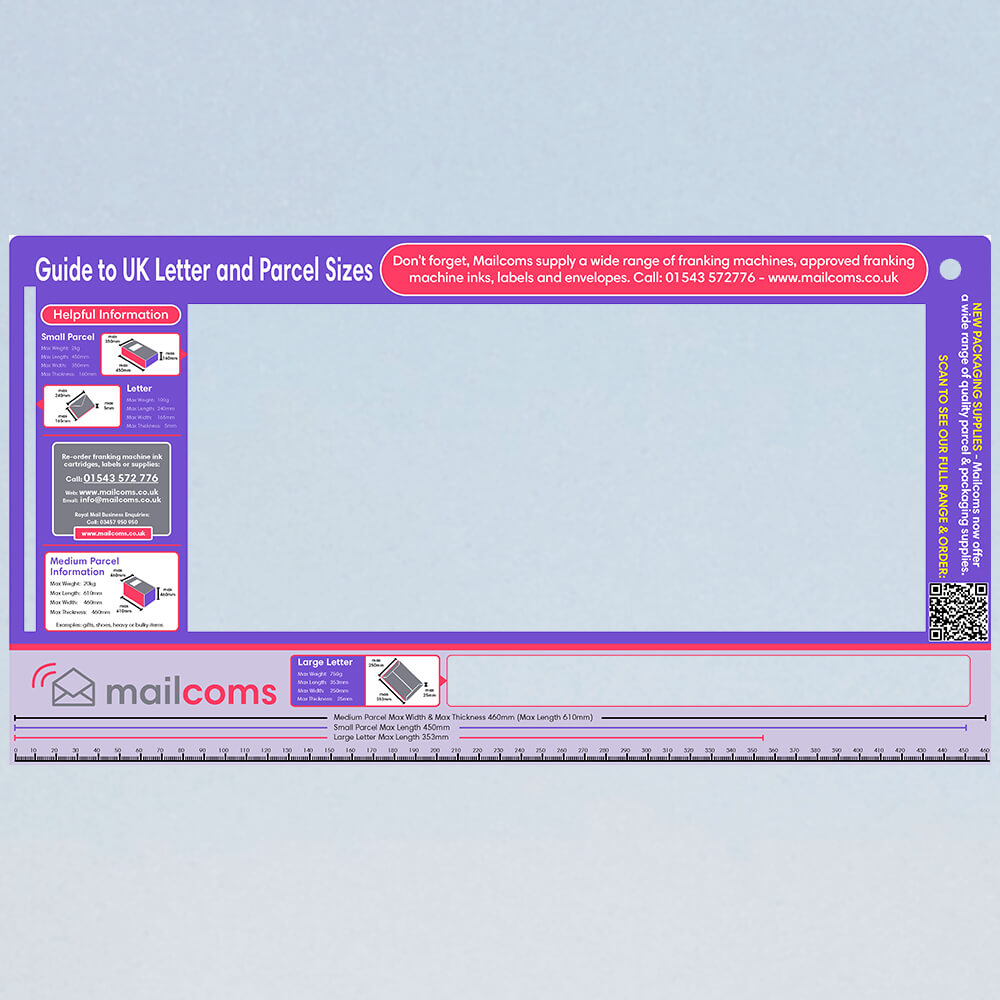
The difference comes down to size and weight: a Large Letter is flat and no bigger than 35.3 x 25 x 2.5cm and 750g, while anything bulkier – up to 45 x 35 x 16cm and 2kg – is a Small Parcel. Getting the category right avoids overpaying (a Large Letter posted as a Small Parcel can cost up to 50% more) and avoids having your mail rejected.
Why size matters for your postage
Every millimetre counts. Sending something as a Small Parcel when it qualifies as a Large Letter could cost your business up to 50% more in postage. With Royal Mail, pricing is based on format and weight, and the line between categories can be surprisingly slim.
What is considered a Large Letter?
A Large Letter is bigger than a standard letter but still flat enough to fit through a letterbox. To qualify, your mail must:
- Be no larger than (Length x Width x Depth): 35.3cm x 25cm x 2.5cm.
- Weigh no more than 750g.
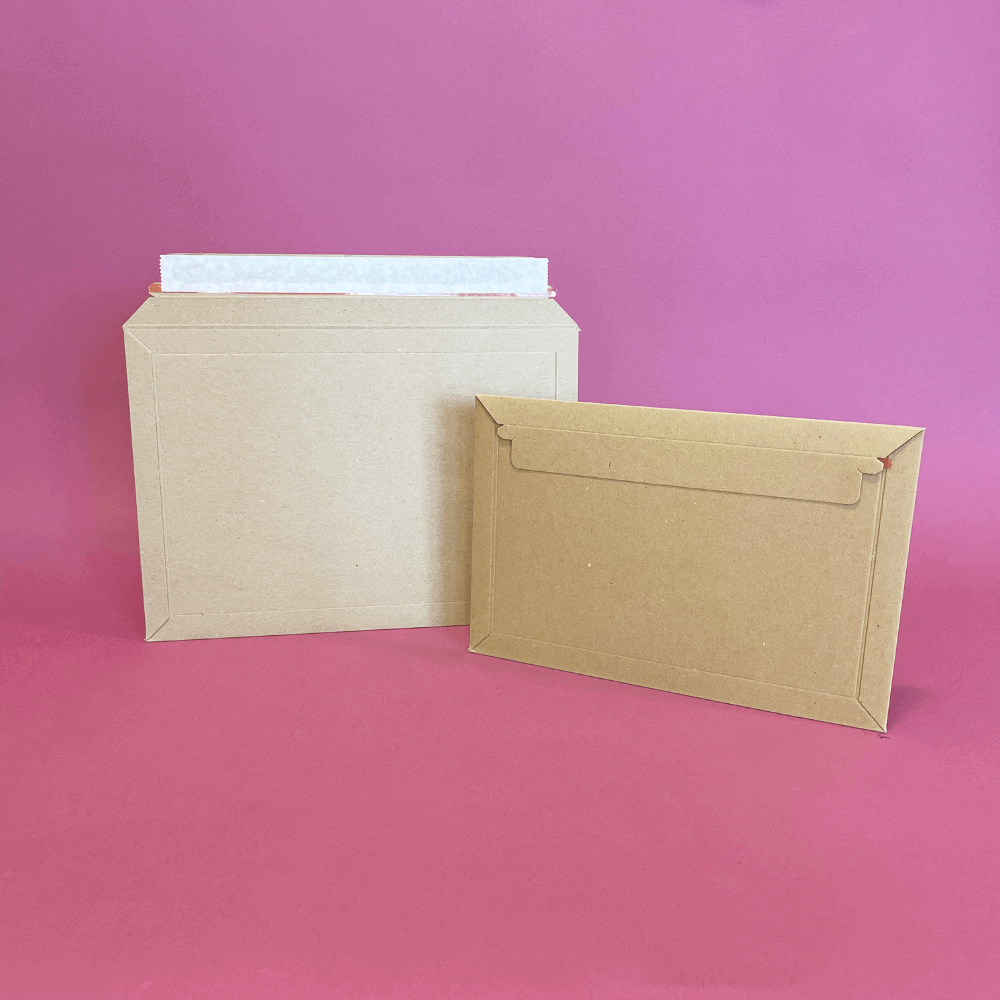
Common examples: documents, certificates, padded envelopes, and thin books or brochures. Tip: if your item is uniform and does not bulge beyond 2.5cm thick, it likely qualifies as a Large Letter.
What is considered a Small Parcel?
If your item is bulkier or exceeds the dimensions above, it falls into the Small Parcel category. A Small Parcel must:
- Be no larger than (Length x Width x Depth): 45cm x 35cm x 16cm.
- Weigh no more than 2kg.
Common examples: t-shirts or clothing in mailing bags, small boxed products, gift items, and bulkier padded packages.
How to tell the difference quickly
The best way to check is with a Royal Mail Size Guide, like the one included in our Mailcoms Starter Packs or sent out with your first online order. Try sliding your item through the slots before franking:
- If it slides through the Large Letter slot without resistance, you are good.
- If it does not fit, try the Small Parcel slot to confirm it is a Small Parcel (or larger – a Medium Parcel).
Why this matters to franking users
Franking machines make postage more cost-effective, but only when used correctly. Franking at the wrong rate can lead to returned or delayed mail, overpaying on postage, and non-compliance with Royal Mail. Using the right size category helps you stay accurate, efficient and compliant.
Our top tips for correctly categorising mail
- Use cardboard envelopes for flat items to help them stay under 2.5cm.
- Avoid overstuffing padded mailers – even 0.5cm can bump it into Small Parcel territory.
- Have a Royal Mail Size Guide at every packing station.
- Regularly train staff on format and weight guidelines.
- Use your franking machine – its weighing scale helps you pay the correct postage every time once you know the size.
Final thoughts
Sending your mail at the correct size and format is not just about compliance – it is about saving money and avoiding hassle. With a franked item you already benefit from Mailmark discounts, so make sure you are not overspending through misclassification. If you are interested in getting a franking machine or upgrading to Mailmark with lower prices available, please view our franking machine page here or call us today on 01543 572 776. Mailcoms is a Royal Mail Authorised Independent Inspector & Maintainer of postal franking machines, serving over 40,000 customers across the UK.
Frequently asked questions
What are the maximum dimensions for a Large Letter?
35.3 x 25 x 2.5cm, and up to 750g.
What are the maximum dimensions for a Small Parcel?
45 x 35 x 16cm, and up to 2kg.
Why does the size category matter?
Pricing is based on format and weight – posting a Large Letter as a Small Parcel can cost up to 50% more, and the wrong category can get mail rejected.